Oufitter backs switching to copper ammo

Since researchers at Craighead Beringia South have been able to document a rise in lead levels in ravens and eagles during hunting season, it’s gotten a little easier for outfitters and environmentalists to see eye-to-eye, at least on the issue of lead poisioning.
The Jackson Hole News and Guide reports that Kelly outfitter B.J. Hill said recently that he supports the switch from lead bullets to copper bullets. He stated that 95% of his clients have already made the switch to copper bullets on their own.

“Copper is a better-technology bullet to begin with,” he said, in part because there’s less fragmenting than with lead. “It’s a better bullet for harvesting elk, [and] it doesn’t have the poisoning effect.”

Hill is a board member of the Wyoming Outfitters and Guides Association and a member of Jackson Hole Outfitters.

Researchers from Craighead Beringia South have been doing field work capturing eagles and ravens and sampling their blood, which is then tested for lead levels. They have found that lead levels rise about two weeks after hunting season starts, and then drop off about two weeks after hunting season ends. This last hunting season, the researchers passed out 194 boxes of copper ammo to the hunters who had permits to hunt on the refuge and found that the lead levels in the birds’ blood did not rise as high this year.

When a lead bullet strikes an animal such as an elk, there are a lot of lead fragments.

Lead Fragments in xray image of deer carcass

Lead fragments in a carcass show up clearly in x-ray image

So when the birds feed on the gut pile, they ingest lead.

This is a big problem for California Condors too. The Beringia researchers say that “Each year, more condors are clinically treated for lead poisoning.”

Fresh hot deals on sporting goods

Here is a link to this week’s new hot deals at the Sportsman’s Guide:

Brand New Deals at Sportsman’s Guide

Wile E. Coyote Pursues Wascally Wabbit

Found an interesting set of trail camera pictures on a Blogger blog. MyTrailCamera captured a coyote pursuing the trail of a rabbit. The pictures were taken 40 minutes apart but you can see the coyote sniffing the ground where the rabbit must have hopped.

Bears Do ‘It’ in the Woods


View bears makin it on Flickr

Originally uploaded by ThePoppa

Bear pr0n!
ThePoppa caught these two bear naked lovers on his trail cam in WV.

Game camera?

See, it\'s a game camera, right?

See, It’s a game camera, right?

This game camera kit comes fully assembled and ready to go. Features automatic remote Rodent Control(tm). Only $49.95. Squirrel chow sold separately.

Trail cameras

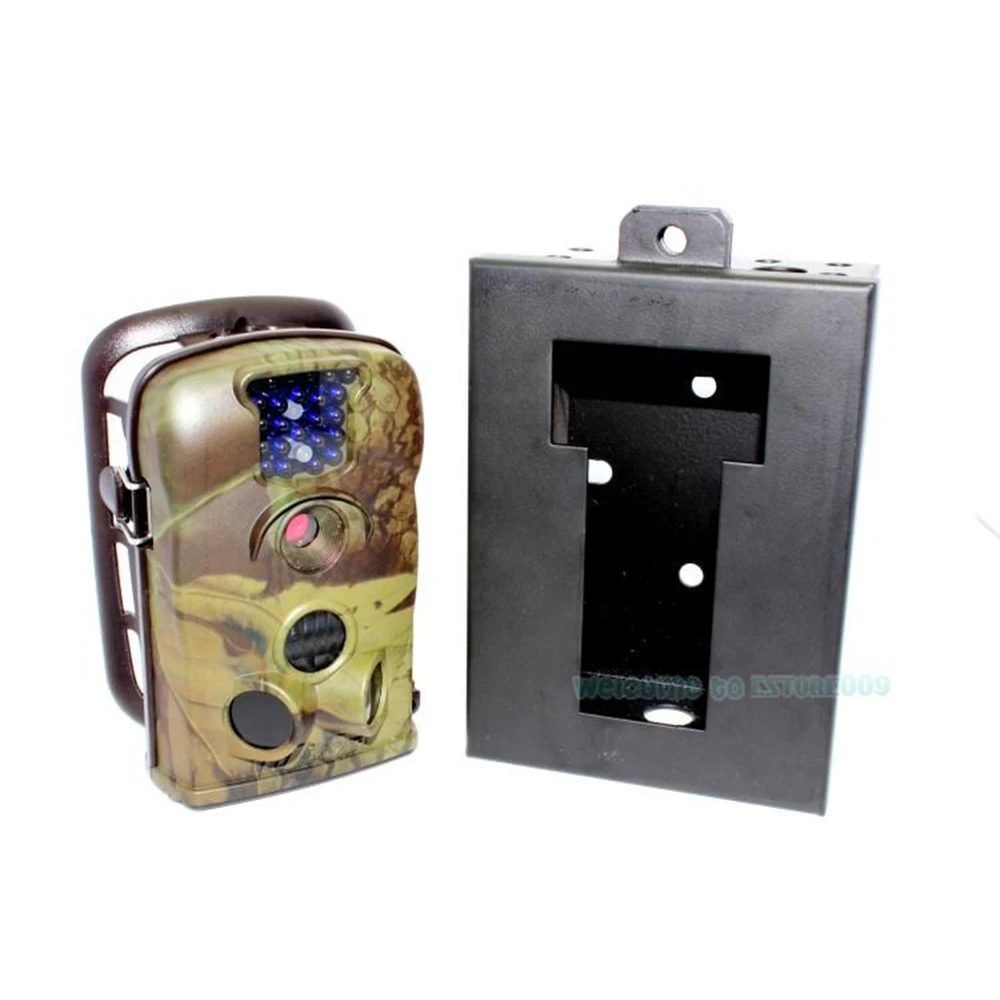
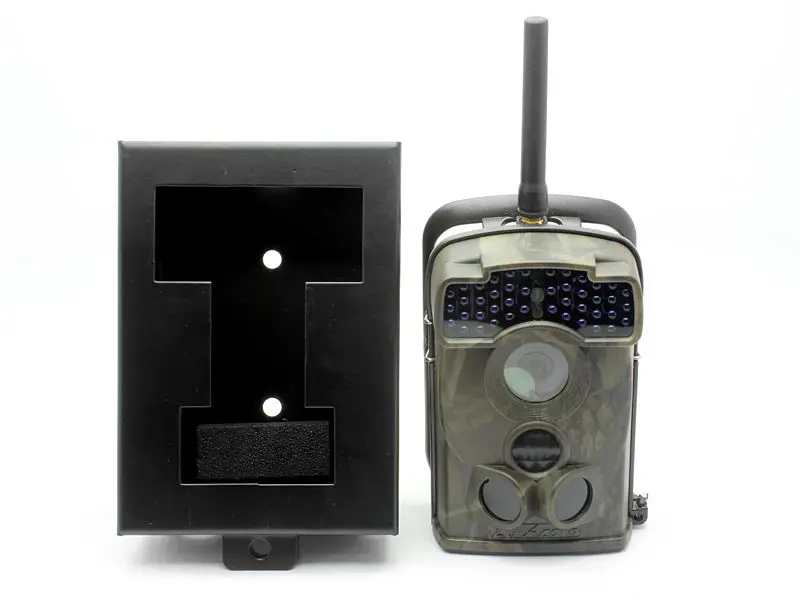
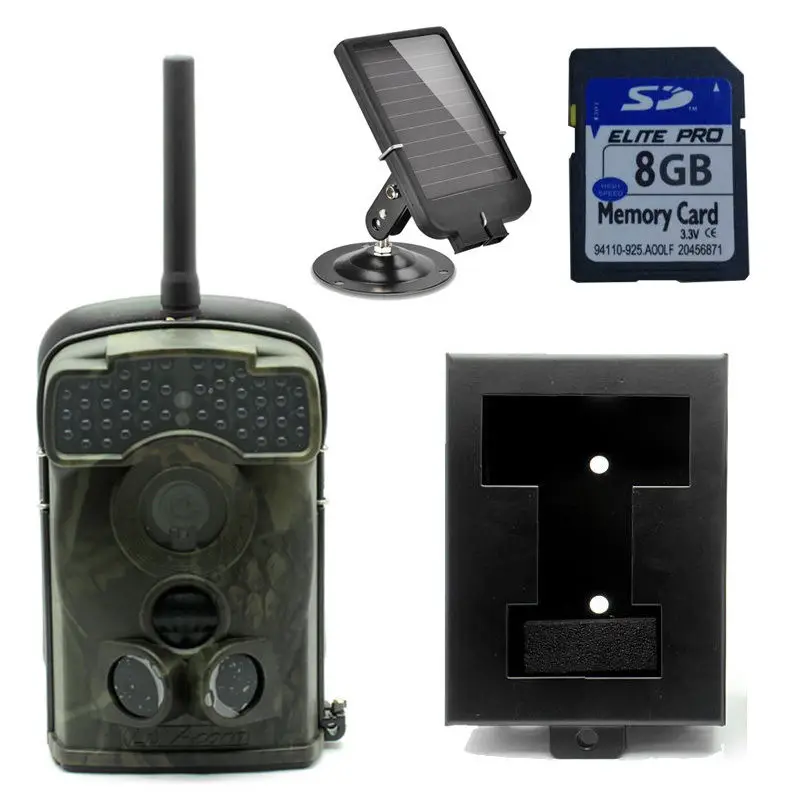
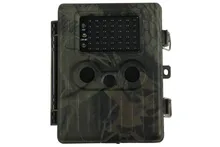
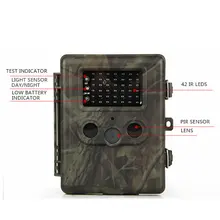
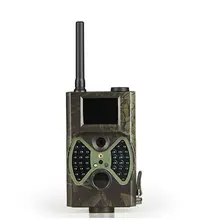
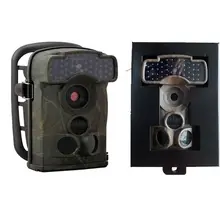
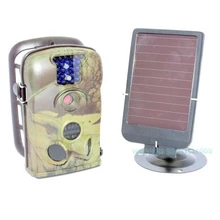
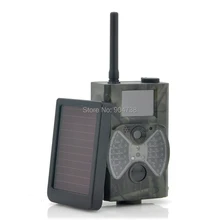
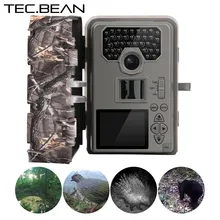
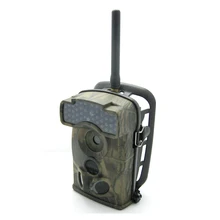
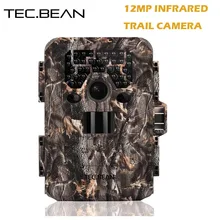
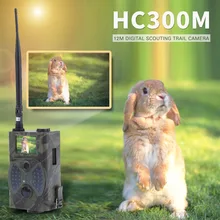
Trail Cameras are used by explorers, hunters, gardeners and scientists to take pictures of wildlife without a human having to be present. A trail camera takes photos by itself, being triggered when an animal crosses an infrared beam. They are a great way to scout big bucks, or to finally catch the varmint who is raiding your garden. Scientists use trail cameras to take pictures of rare species deep in the rainforest, or to prove that grizzlies really do exist in the Bitterroot valley.

There are both digital trail cameras and regular old film trail cameras.

Burglar caught in trail camera images

Check out this story in outdoor life blogs about how a guy in Ohio caught a burglar parking in his driveway using his trail camera.

Police arrested the burglar and the home owner is pretty happy with his trail cam investment!